Login
Sign Up
Login
Do not have an account?
Create an AccountSign Up
User registration is currently not allowed.
Prices starting from $17,833 CAD per person for a Verandah Suite!
PLUS: Book by May 6, 2026 and receive a USD$150 stateroom credit per person!
*Airfare additional. Prices based on double occupancy
Montreal, Quebec
Montreal, Quebec
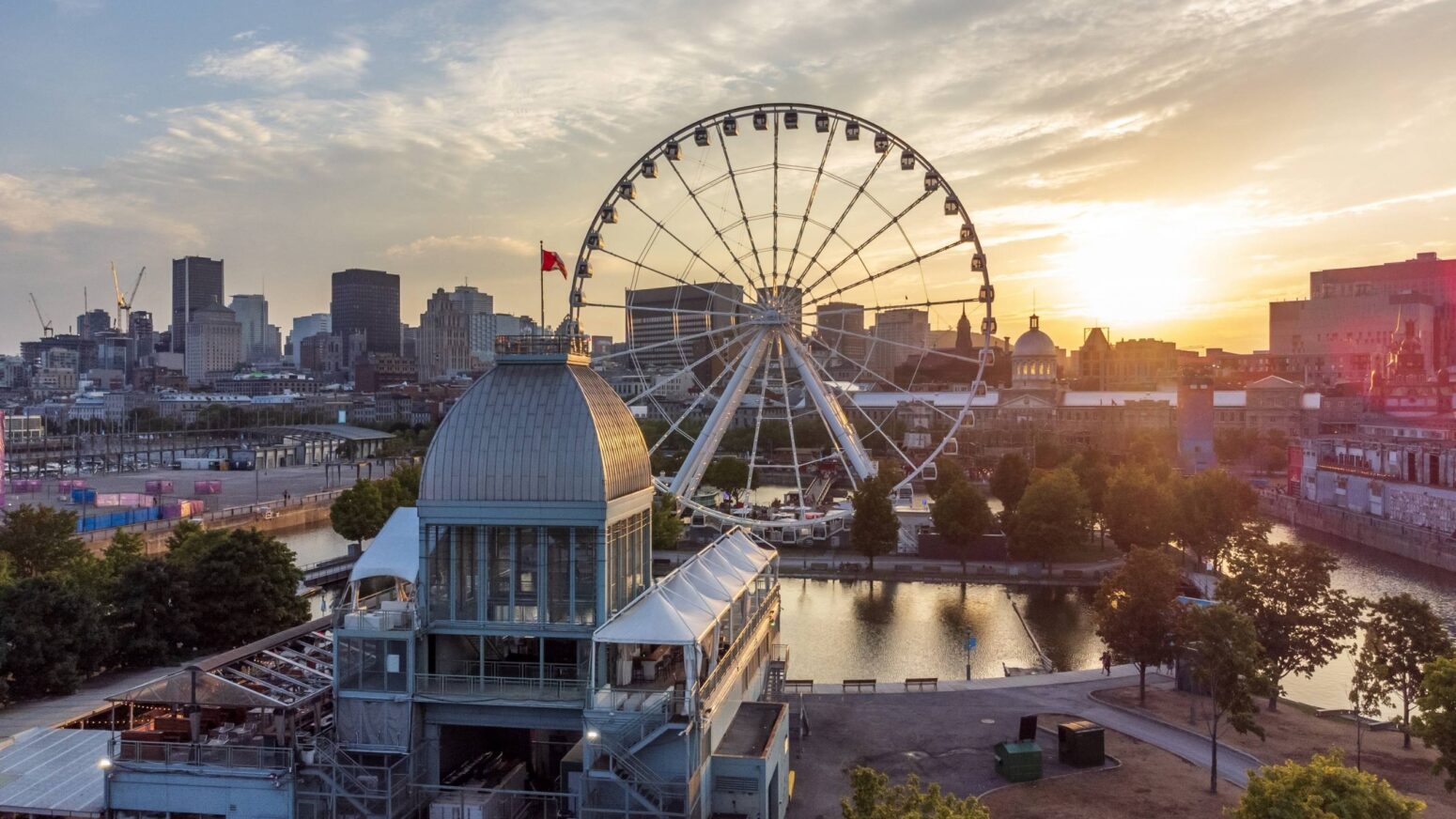
The City of Montreal is a striking union of old-world charm and new-world attitude. Its name refers to the triple-peaked hill in the heart of the city, Mount Royal. The site has been occupied for 4,000 years and was originally home to First Nations people and known as Hochelaga. It began its current life in 1611 as a fur trading post established by the ‘Father of New France’, Samuel de Champlain. With over 4,000,000 inhabitants, today it is the world’s second largest French-speaking city, after Paris.
Named a UNESCO City of Design in 2006, this island gem on the magnificent St. Lawrence River seduces visitors with a harmonious pairing of the historic and the new. Old Montreal’s 17th century architecture and cobbled streets showcase a proud and diverse French Canadian culture. Discover Place Jacques Cartier Montreal City Hall, Bonsecours Market, Pointe-a-Calliere Museum, and the Montreal Science Centre. A highlight is Notre-Dame Basilica with its striking twin towers built in the Gothic Revivalist-style and a splendidly ornate interior.
The majestic Saint Lawrence River drains the entire Great Lakes Basin from its outflow at Lake Ontario, and remains tidal as far inland as Quebec City. Where it narrows, the banks are decorated with charming villages, which from the ship appear reminiscent of towns along the Seine or the Loire in France. In autumn, the hardwood forests on either shore ignite in extravagant displays of red, gold and orange fall foliage that draws visitors from around the world. In short, the Saint Lawrence has interest and beauty enough to rival any river cruising experience anywhere.
Havre-Saint-Pierre (Harbour St. Pierre in English), is a small town of 3,300 inhabitants, situated along Quebec’s North Shore. To the south is Anticosti Island and the great expanse of the Gulf of St. Lawrence. It was settled in 1857 by six Acadian-French families originally from the Îles de la Madeleine. Here they found a land rich in lumber and a sea rich in fish. Today’s inhabitants speak a dialect of Acadian French different from the French spoken in the rest of the Province of Quebec.
Havre-Saint-Pierre is the jumping-off point to explore a dozen picturesque fishing villages, seabird colonies, marine wildlife concentrations and the beautiful Mingan Archipelago National Park Reserve. The shoreline of the Mingan Archipelago is a wonderland of sculpted limestone pinnacles and outcroppings. Eroded by thousands of years of wind and waves, the limestone forms are the largest group of such monoliths in Canada. The most recognizable limestone pillar in the park is called La Grande Dame (The Great Lady).
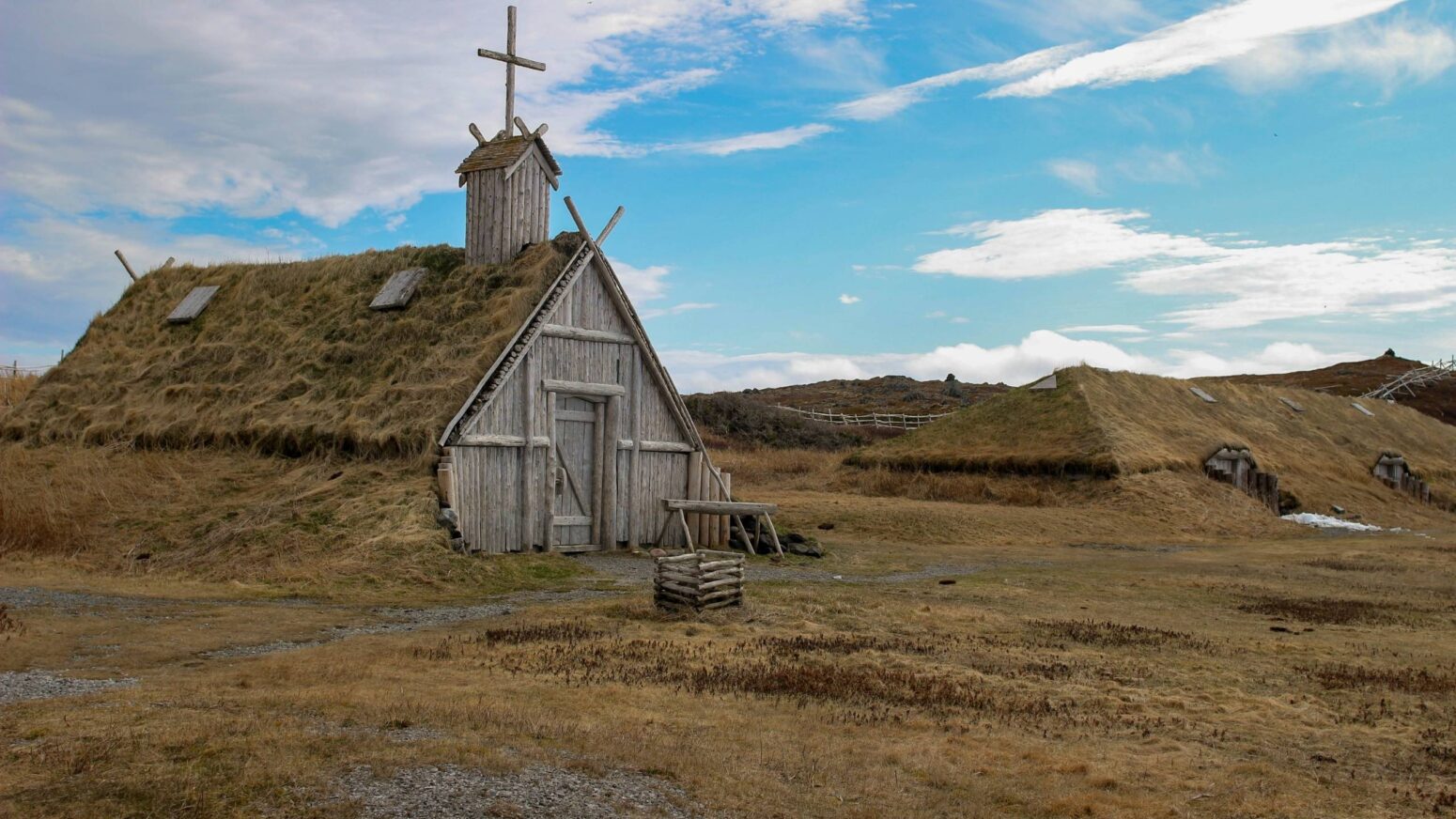
At the tip of Newfoundland’s Great Northern Peninsula is the first known evidence of European presence in the Americas. Over 1,000 years ago, Norse expeditions sailing from Greenland built a small encampment of timber-and-sod buildings. Known as L’Anse aux Meadows, from French ‘bay of the grasslands’, it was rediscovered in 1960 and is one of the most celebrated archaeological sites in North America. It is most noted for its connection to the legendary Vinland colony established by Leif Erikson, and to Norse exploration in the Americas. Prior to 1960, it was believed that Christopher Columbus was the first European to land in America. Now it is accepted that almost 500 years prior, Viking long-ships sailed into the Gulf of St. Lawrence. L’Anse aux Meadows is the farthest known extent of Viking settlement in the New World. In 1978, the remains of its eight sod buildings were declared a UNESCO World Heritage site.
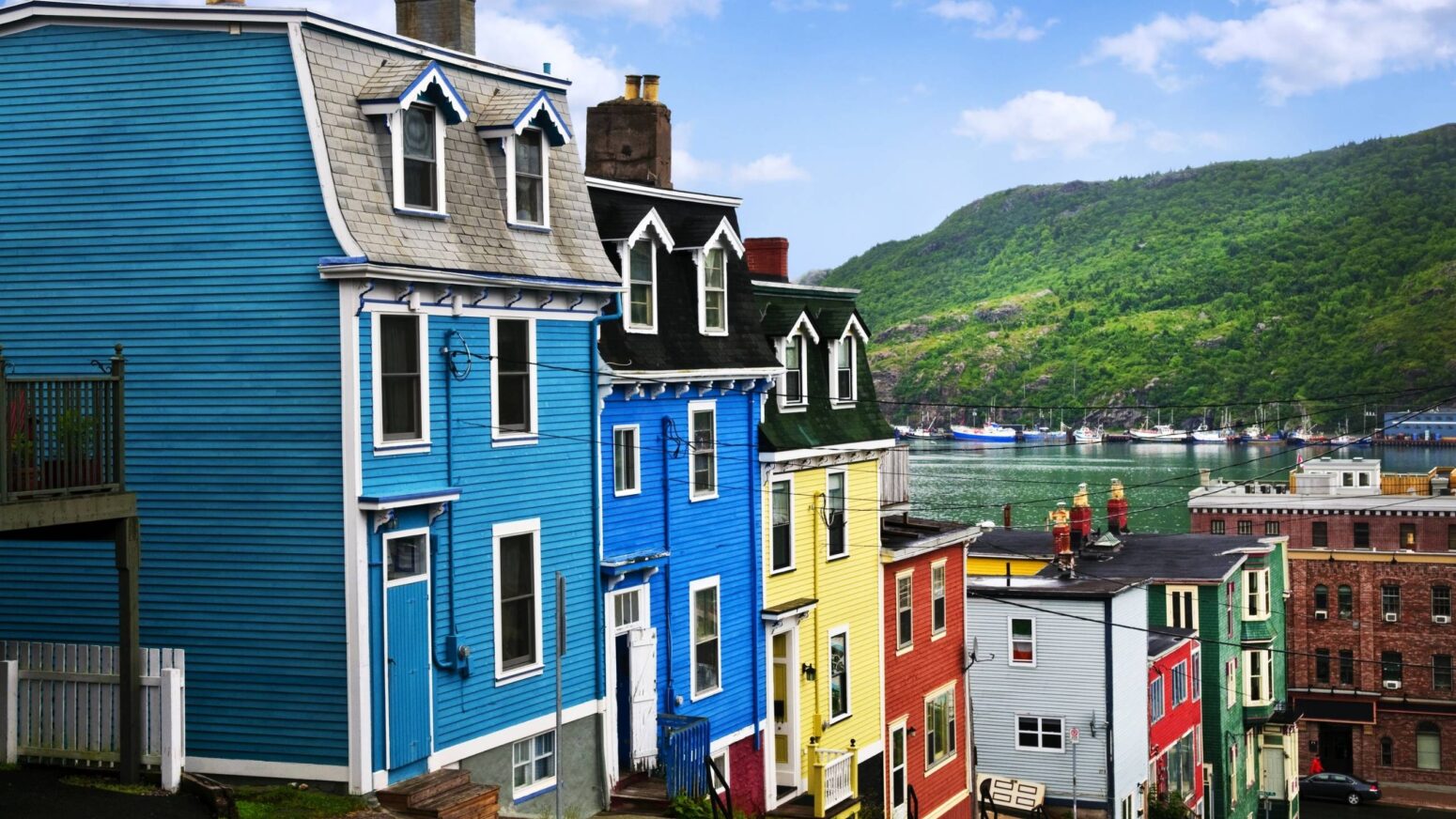
St John’s, the capital of Newfoundland, is our last port of call. As the ship squeezes through the ‘narrows’ and enters into the inner harbour, the cultural and traditional flavour of the city quickly becomes apparent. The two towers of the Basilica of St. John the Baptist are amongst the tallest buildings on St. John’s skyline. Heritage and culture are an important way of life here and enter into all facets of life. From the height and color of buildings, to a vibrant pub, folk and classical music scene, St. John’s has a style distinct from the rest of Canada. Its steep, hilly terrain is often compared to San Francisco. St. John’s is the oldest settlement in North America, having been discovered by John Cabot in 1497 and appearing on maps as early as 1519. It displays an architecture befitting one of the first British colonial capitals. Seventy-seven percent of the population is of English and Irish origin. Buildings are painted in the same vibrant colors of Greenland albeit, Canadian-style.
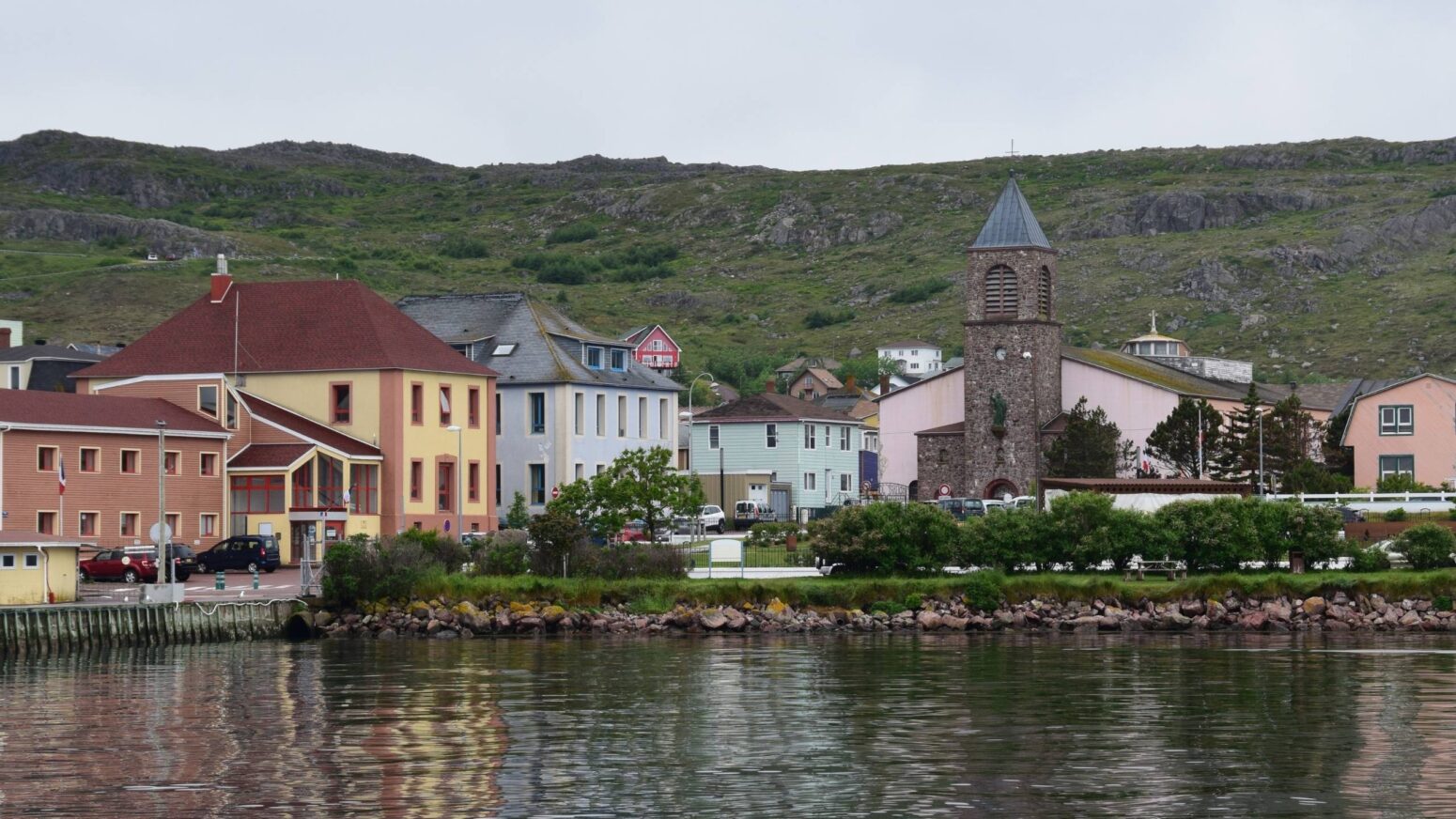
The tiny archipelago of St. Pierre et Miquelon is a territorial overseas collectivity of France, just 16 miles from the coast of Newfoundland, but nearly 2,400 miles from continental France. The islands were unoccupied when a Portuguese explorer stumbled on them in 1520. But by the time Jacques Cartier claimed them for France in 1536 they were already being visited by Basque and Breton fisherman exploiting the fertile fishing grounds of the Grand Banks. The intermittent dominion and tenuous but tenacious history of the islands is explained at L’Arche Museum in St. Pierre. Suffice it to say that the British and the French quarreled over and ceded control between themselves for centuries. However the population remains mostly descendants of Basque, Breton and Norman fishermen. They speak a metropolitan, rather than Canadian form of French, and their customs, foodways and personalities are firmly Gallic. Stroll the sloping streets, marveling at the vividly colored houses with bright, contrasting trim. The economy of the islands has traced the roller-coaster path of the fishing industry, with a healthy surge during the American era of Prohibition, when whisky and wine smuggling thrived. Lashed by the North Atlantic winds and chilled by the cold Labrador Current, the islands have a severe beauty enhanced by panoramic seascapes. The tiny island of Ile aux Marins is being rehabilitated into an open-air museum recalling the traditional life of the fishermen. Miquelon Island, and its conjoined sister Langlade were once separate by a channel, called the Mouth of Hell, which claimed over 600 shipwrecks before Nature closed the gap with a sand isthmus. Jaunty red-and-white lighthouses add photogenic accents. The official currency is the Euro, and though Canadian dollars are widely accepted, change is given in Euros. In the museum, a place of distinction is set aside for the only guillotine ever used in North America. It was imported from Martinique in 1889 to dispatch a murderer and then retired.
This island in the archipelago in the Gulf of St. Lawrence offers scenic fishing villages and wind- and water-sculpted coastlines of eerie beauty. The church of St. Pierre at Laverniere was constructed from the wreckage of ships that foundered on the offshore shoals. A lighthouse now warns others away.
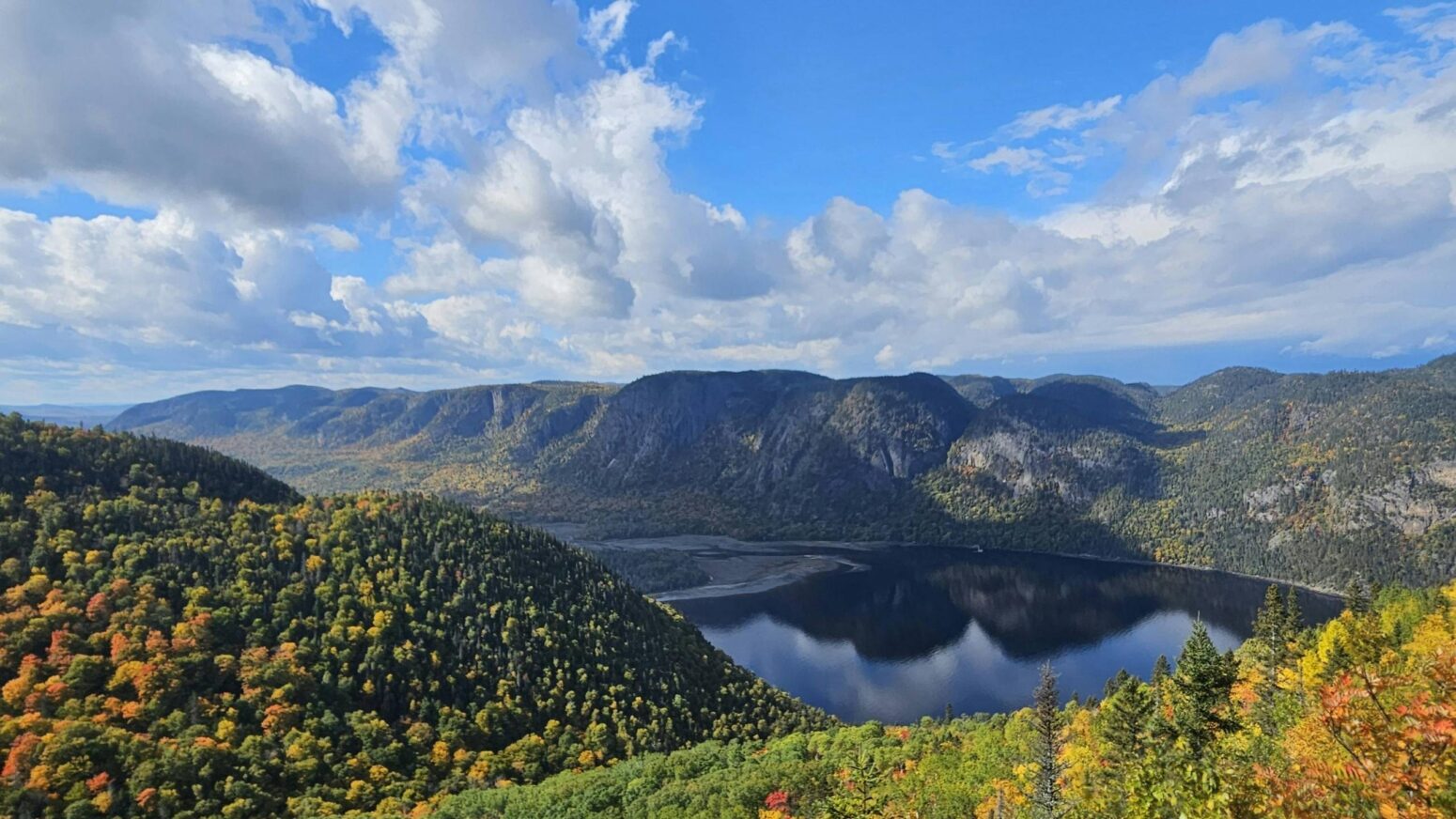
The city of Saguenay is situated on the beautiful Saguenay River 78 miles (126 km) upriver from its confluence with the mighty St. Lawrence. This is an area of countless natural wonders. The surrounding countryside is a combination of ageless coniferous forests, tranquil lakes and deep river-valleys. What gives the area its unique appearance is its geology. The Saguenay Graben is a great glaciated rift valley, the result of forces deep within the Canadian Shield some 200,000,000 years ago. Inhabited for thousands of years by the First Nations people, the Saguenay region during the early French colonial period was an integral part of the fur trade.
Saguenay Fjord National Park with its steep rock walls and verdant forests is reminiscent of Norway. Natural history is showcased everywhere, whether it be the underwater exhibits of Musee du Fjord or the serene forest and riverside walks at Parc de la Riviere du Moulin.
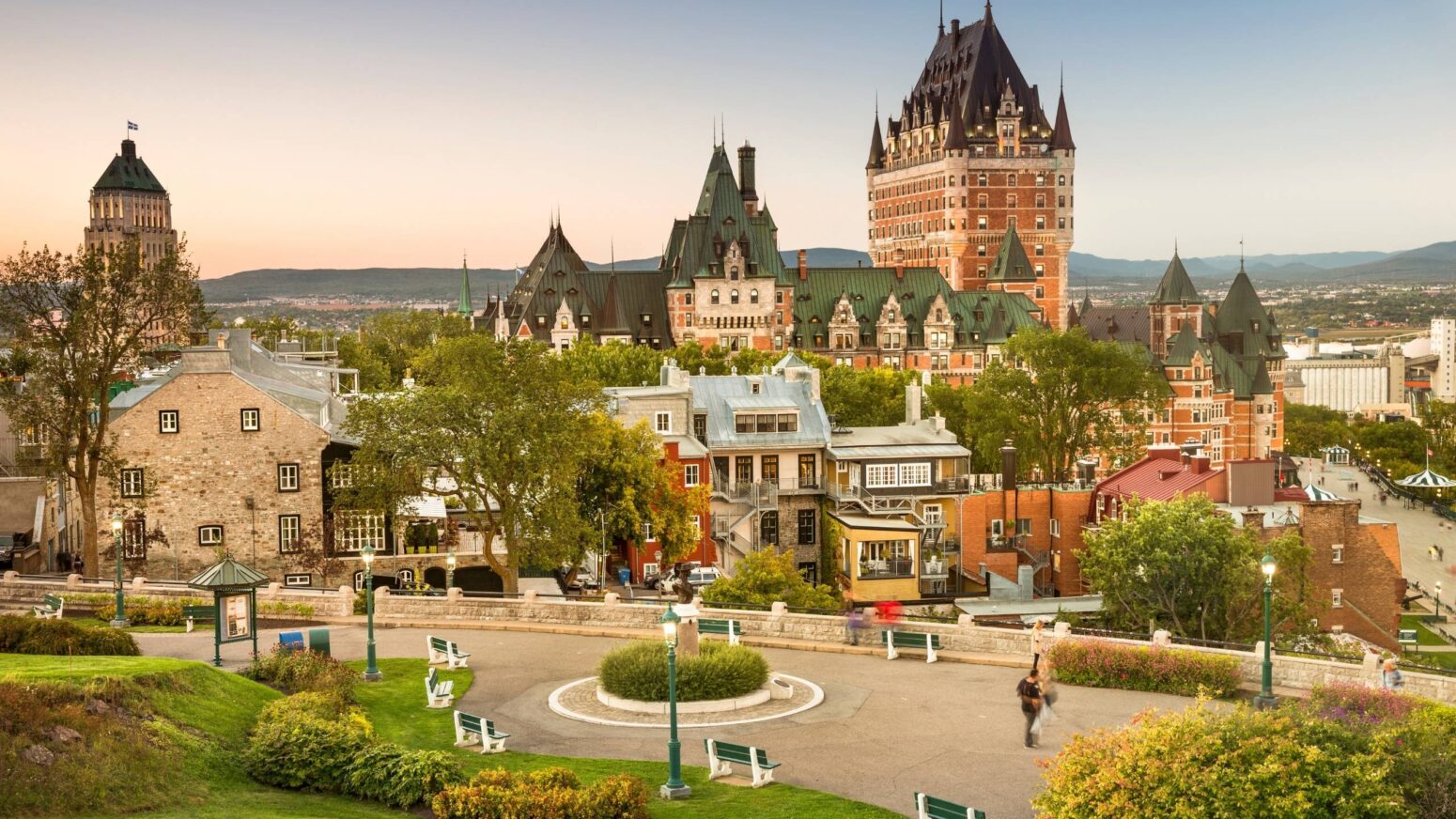
Founded in 1608, Quebec City is the capital of the Canadian province of Quebec and the cradle of French Canadian civilization. With its historic ramparts, churches and Old Town, it is considered one of the most beautiful cities in North America.
Originally inhabited by First Nations peoples and known as Stadacona, the city is a magnificent living-history lesson with a remarkable mix of 17th century architecture, heritage, art, and culture, Quebec means ‘narrow passage’ in Algonquin, and it is here that the St. Lawrence narrows and is dominated by the steep cliffs of Cape Diamond, 333’ (102 m) above. Crowned by The Citadel, an imposing bastioned fortress, the heights of Quebec have defined the city since its founding. Elegant Château Frontenac towers above The Lower Town, a UNESCO World Heritage treasure. Discover the elegant beauty of Cathedral-Basilica of Notre-Dame de Québec and the natural beauty of Montmorency Falls. Battlefields Park and The Plains of Abraham tell the story of one of the most pivotal battles in history.
The City of Montreal is a striking union of old-world charm and new-world attitude. Its name refers to the triple-peaked hill in the heart of the city, Mount Royal. The site has been occupied for 4,000 years and was originally home to First Nations people and known as Hochelaga. It began its current life in 1611 as a fur trading post established by the ‘Father of New France’, Samuel de Champlain. With over 4,000,000 inhabitants, today it is the world’s second largest French-speaking city, after Paris.
Named a UNESCO City of Design in 2006, this island gem on the magnificent St. Lawrence River seduces visitors with a harmonious pairing of the historic and the new. Old Montreal’s 17th century architecture and cobbled streets showcase a proud and diverse French Canadian culture. Discover Place Jacques Cartier Montreal City Hall, Bonsecours Market, Pointe-a-Calliere Museum, and the Montreal Science Centre. A highlight is Notre-Dame Basilica with its striking twin towers built in the Gothic Revivalist-style and a splendidly ornate interior.